
Key facts: Flood Damage Cleanup
Why floodwater is a different job
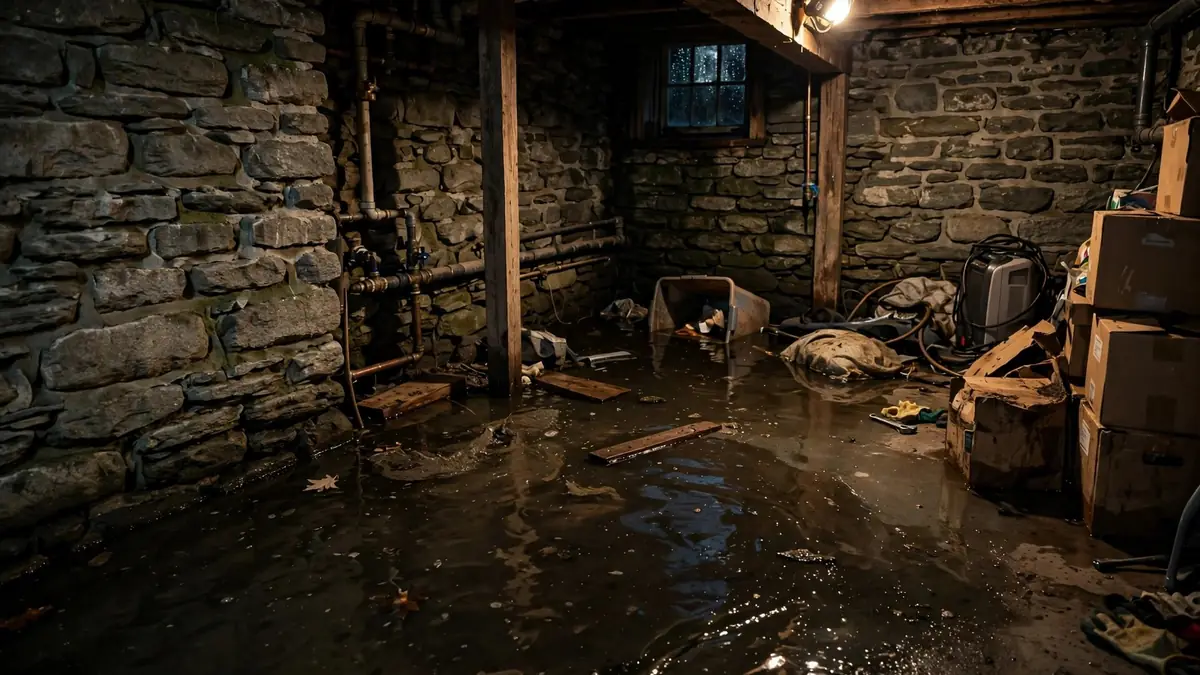
A clean-water leak can often be dried in place. Floodwater is generally considered contaminated, so soaked carpet, pad, insulation and much of the drywall it touched are removed. What stays is cleaned first, since drying over silt traps the contamination inside.
A safe return home
- 1
Wait for clearance
Go back only when officials say it is safe.
- 2
Check from outside
Look for shifted foundations and downed lines.
- 3
Have power and gas checked
Do not switch anything on until a qualified person has checked it.
- 4
Document everything
Photograph damage before removal for your claim.
- 5
Wear protection
Boots, gloves and a respirator are the minimum.
- 6
Muck out, clean, dry
Remove mud and wet materials, clean the structure, and then bring in drying equipment.
Flood Damage Cleanup in practice

Flood-specific hazards
- Silt that hides sewage and chemicals
- Gas appliances moved by water
- Carbon monoxide from generators used too close to the home
- Asbestos or lead in older finishes when they are torn out
- Undermined steps and slabs
Insurance and flood
Flood usually means a separate NFIP or private policy, and new policies often take 30 days to begin.[2] Read our flood or water damage insurance guide and check your location page for local rivers and history.
Protecting yourself during cleanup
Flood mud can hold sewage, oil and chemicals, so wear waterproof boots, gloves and a well-fitted respirator, and wash thoroughly afterward. Keep children and pets away. Older homes bring extra risk when finishes are torn out, because dust from lead paint or asbestos can spread. If you are unsure, stop and have it tested.
River, surge or rain: why the source matters
River flooding usually gives some warning but stays high for days. Storm surge arrives with the storm and leaves salt behind. Flash flooding from heavy rain can rise and fall within hours, and often hits homes nobody thought of as at risk. Each one changes the timeline and the cleanup, so tell the contractor what happened as well as how deep the water got.
Questions
Questions about flood damage cleanup
Can furniture be saved after a flood?
Solid wood can often be cleaned. Upholstery and mattresses soaked by floodwater usually cannot.
How high should drywall be cut?
Commonly about a foot above the water line, cut straight so the cavity can be cleaned and dried.
Does a flood always cause mold?
Not if materials are removed and dried quickly, but warm, humid conditions make it likely otherwise.
Flood Damage Cleanup near you
Pick your area for notes on flood damage cleanup there.
- Anaheim
- Atlanta
- Cape Coral
- Cedar Hill
- Clearwater
- Colorado Springs
- Connecticut
- Dallas
- Delaware
- Dickinson
- Ellicott City
- Fort Lauderdale
- Fort Myers Beach
- Fort Myers
- Fort Worth
- Friendswood
- Houston
- Kansas
- Lake Stevens
- Las Vegas
- Louisiana
- Mamaroneck
- Miami
- New Hampshire
- Norcross
- Oregon
- Paterson
- Phoenix
- Port Charlotte
- Prosper
- Punta Gorda
- Riverside
- Salt Lake City
- San Antonio
- San Diego
- Sanibel
- Sarasota
- Seattle
- Venice
- West Palm Beach