
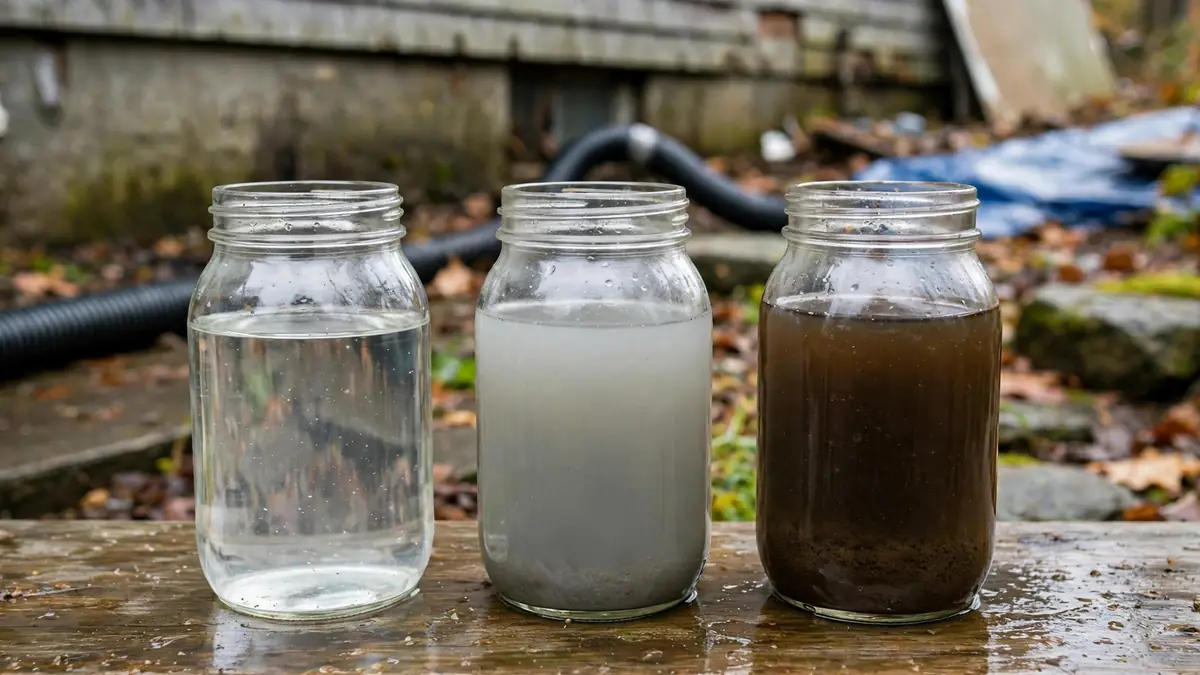
Key facts: Clean, Gray and Black Water
- Category drives what can be saved.[1]
- Clean water can degrade if left sitting.
- Sewage and flood water are treated as black water.
The three categories
| Category | Examples | Typical approach |
|---|---|---|
| Clean | Supply line, sink overflow | Dry in place where possible |
| Gray | Washer, dishwasher, sump | Clean, more removal |
| Black | Sewage, floodwater | Remove porous materials, disinfect |
Clean, Gray and Black Water: what to look for
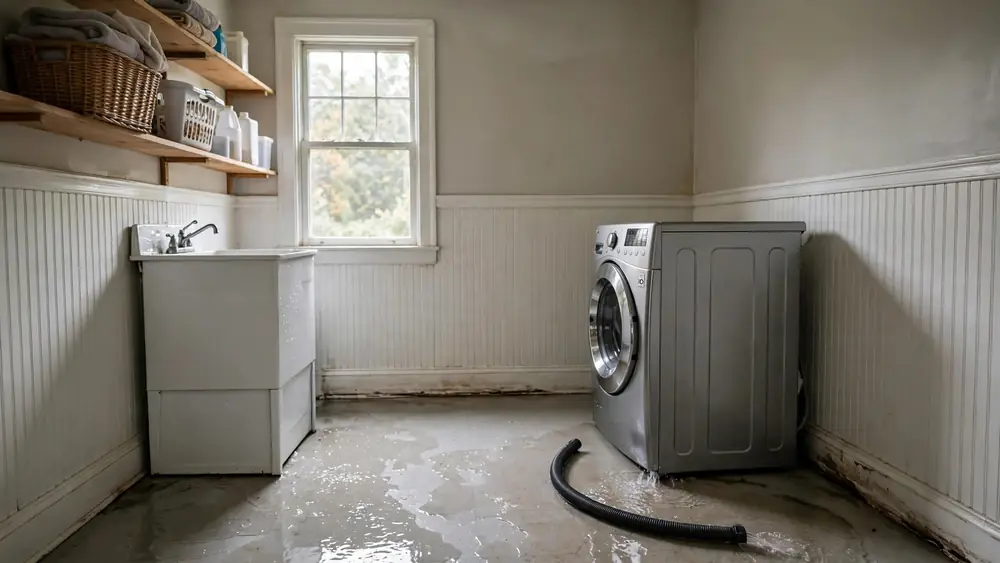
Water changes over time
Clean water left sitting picks up dirt and bacteria, so a two-day-old leak may no longer count as clean. That's one more reason to move quickly.
How to tell at a glance
Think about where the water came from, not how it looks. Clear water from a clogged drain can still be contaminated, and rain that has crossed a yard and come under a door is no longer clean. If you are unsure, assume the worse category until someone has checked it.
Why it changes what can be saved
With clean water, carpet and drywall may be dried in place if handled quickly. Gray water can contain soap, food and bacteria, so more material usually goes and everything is cleaned. With black water, porous materials are normally removed and hard surfaces disinfected. The category also decides what protective equipment the crew should wear.
Questions
Questions about clean, gray and black water
Is toilet water black water?
An overflow containing waste is. Clean tank water is not.