
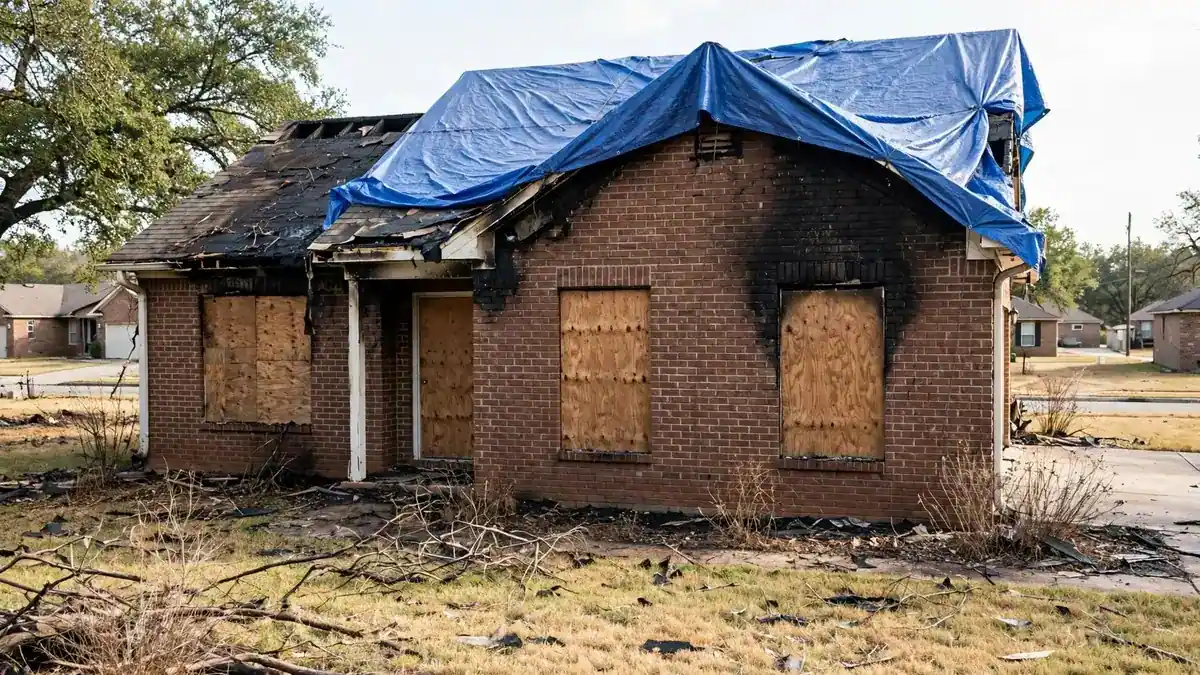
Key facts: Prepare for a Flood
This week, before any storm
Look up your address on FEMA's flood maps, and speak with your agent about what your policy actually covers. Standard home policies generally exclude flood.[1] Take dated photos or a video of each room, including inside closets, since that record speeds up a claim. Scan your ID, policies and deeds to a secure place you can reach from a phone.
Prepare for a Flood at a glance
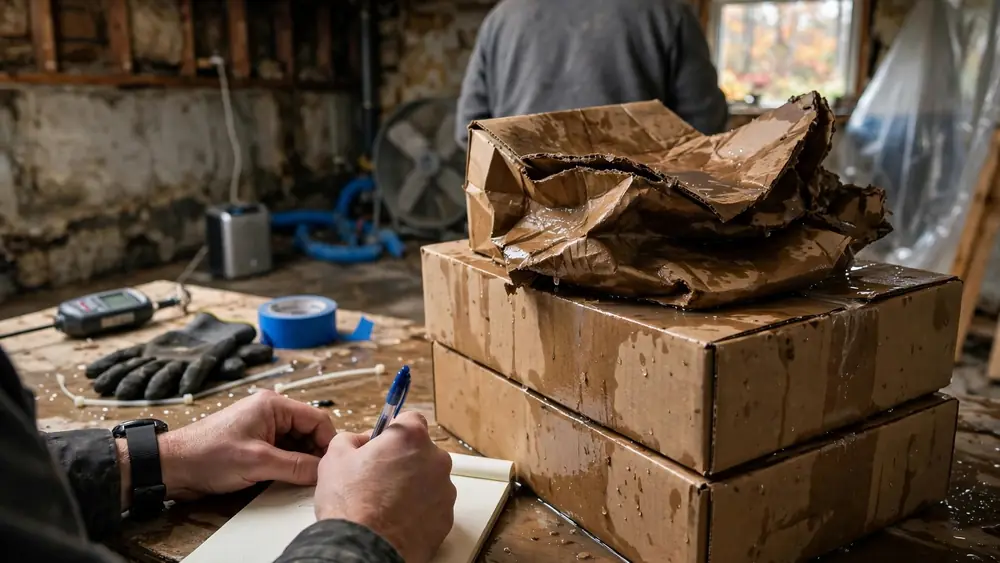
Around the house
- Clear gutters, downspouts and storm drains near you
- Test your sump pump and battery backup
- Raise furnaces and water heaters if you're rebuilding
- Move boxes off the basement floor
- Trim dead branches away from the roof
When a storm is forecast
- 1
Follow officials
If you are told to leave, leave.[2]
- 2
Move valuables up
Take papers, photos and electronics upstairs.
- 3
Prepare utilities
Learn how to shut off power, gas and water.
- 4
Charge devices
Keep a battery bank and flashlight.
- 5
Fill the car
Plan your route and a place to stay.
After it passes
Return only when officials say so. Take photos before cleanup, avoid floodwater, and treat wet electrical equipment as dangerous. Our first hour checklist walks through what to do next.
FAQ
Flood preparation questions
Do sandbags work?
They can divert shallow water if placed correctly, but won't stop deep flooding.
Should I shut off power before leaving?
Follow local guidance, and never touch electrics in water.