
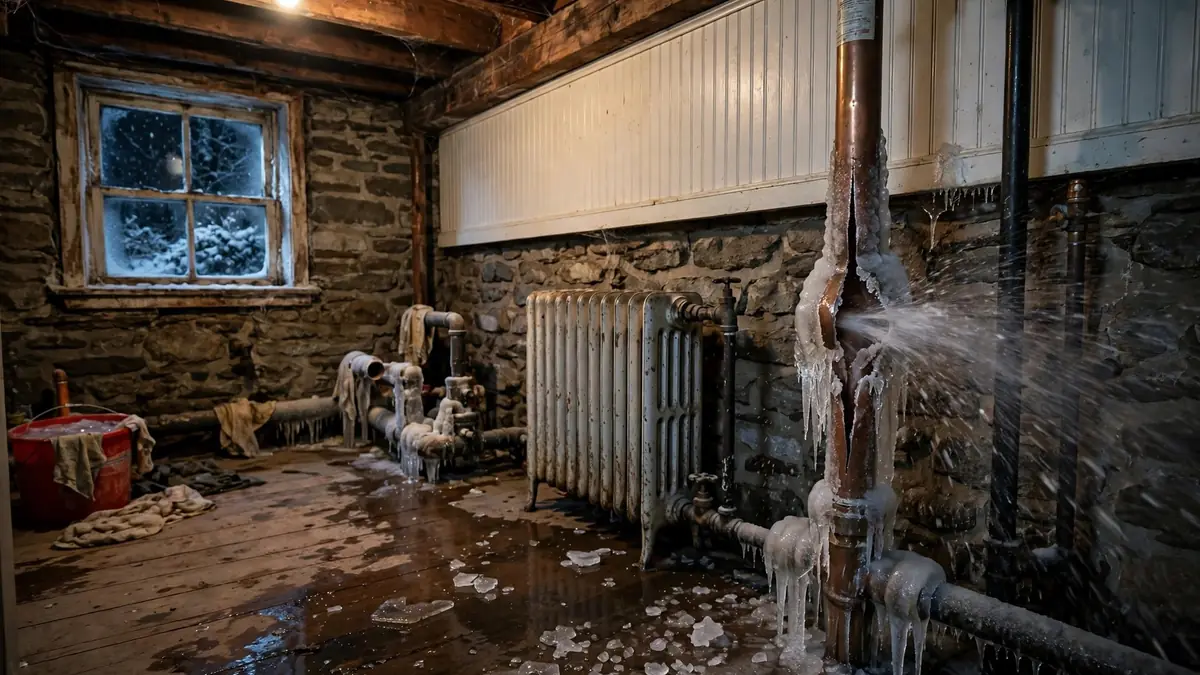
Key facts: Emergency Water Damage
The first ten minutes
- 1
Protect people
Keep children and pets out of the wet area, and stay clear of electricity.
- 2
Stop the source
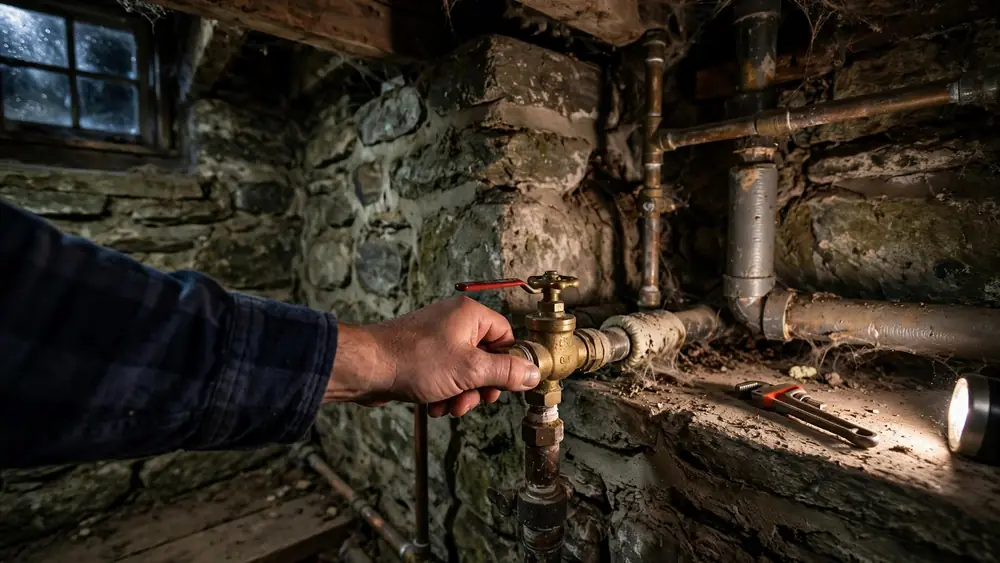
Shut off the water at the main, or the appliance valve, if it is safe to reach.
- 3
Cut the power if safe
Only use the breaker panel if you can reach it without touching water.
- 4
Save what matters
Move medicine, documents and photos to a dry floor.
- 5
Record it
Take wide photos and close-ups before anything moves.
- 6
Call
Call (866) 259-1073 and speak with a contractor on that same call.
Emergency Water Damage in practice
What counts as an emergency
Treat it as urgent when water is still flowing, reaches electrical equipment, comes from sewage, covers more than one room, or threatens a ceiling. A slow stain that has stopped growing can usually wait for a daytime call.
Timing depends on your area and the time of day, so the contractor on the call will tell you what they can offer.
Why the first day matters
Wet drywall and carpet start absorbing more water with every hour, and warmth speeds things up. The sooner water is removed, the more of your home can be dried and kept.[2] See water extraction and what happens during drying.
After the immediate danger passes
Once the water has stopped, attention turns to the clock. Wet carpet should be lifted, furniture moved or blocked up, and rooms kept ventilated if outdoor air is drier than indoor air. Keep receipts for anything you buy and for any hotel stay, and do not throw away damaged belongings until they have been photographed and listed.
What to have ready when you call
You do not need much. Say where the water is coming from, whether it has stopped, how many rooms are affected, and whether anyone in the home has health concerns. Mention whether electricity is on in the wet area. Give the address and the best way in. If you rent, have the landlord's contact to hand, since they will usually need to approve work on the building.
Questions
Questions about emergency water damage
Should I call insurance or a contractor first?
Stop the water first. Then either order works, but take photos before cleanup and report promptly.
What if I cannot find the main shutoff?
Look where the water line enters the home, often near the meter, in a basement or a garage. In many homes, a street-side valve needs a utility key, so call your water utility.
Is every line open at night?
We cannot promise a time for every area. Call and the contractor will tell you what is possible.
Emergency Water Damage near you
Pick your area for notes on emergency water damage there.
- Anaheim
- Atlanta
- Cape Coral
- Cedar Hill
- Clearwater
- Colorado Springs
- Connecticut
- Dallas
- Delaware
- Dickinson
- Ellicott City
- Fort Lauderdale
- Fort Myers Beach
- Fort Myers
- Fort Worth
- Friendswood
- Houston
- Kansas
- Lake Stevens
- Las Vegas
- Louisiana
- Mamaroneck
- Miami
- New Hampshire
- Norcross
- Oregon
- Paterson
- Phoenix
- Port Charlotte
- Prosper
- Punta Gorda
- Riverside
- Salt Lake City
- San Antonio
- San Diego
- Sanibel
- Sarasota
- Seattle
- Venice
- West Palm Beach