Key facts: Salt Lake City Fire Damage
- Homes on the benches and canyon mouths sit next to dry summer brush, so fire season matters here.
- Wildfire smoke settles in the valley, so air filters and clean ducts matter for days after.
- Heating season adds furnace and chimney risk.
Summer smoke
Wildfire smoke settles in the valley, so air filters and clean ducts matter for days after.
Winter fires
Heating season adds furnace and chimney risk. A winter fire may leave frozen pipes behind, so keep an eye on the plumbing if the heat is off.
Fire history in Salt Lake County
FEMA lists 3 fire-related federal declarations covering Salt Lake County, most recently Parleys Canyon Fire in 2021.
Across all incident types, Salt Lake County has 12 federal declarations on record, and any of them may open aid for Salt Lake City residents that insurance does not cover.
Protecting a fire-damaged Salt Lake City home
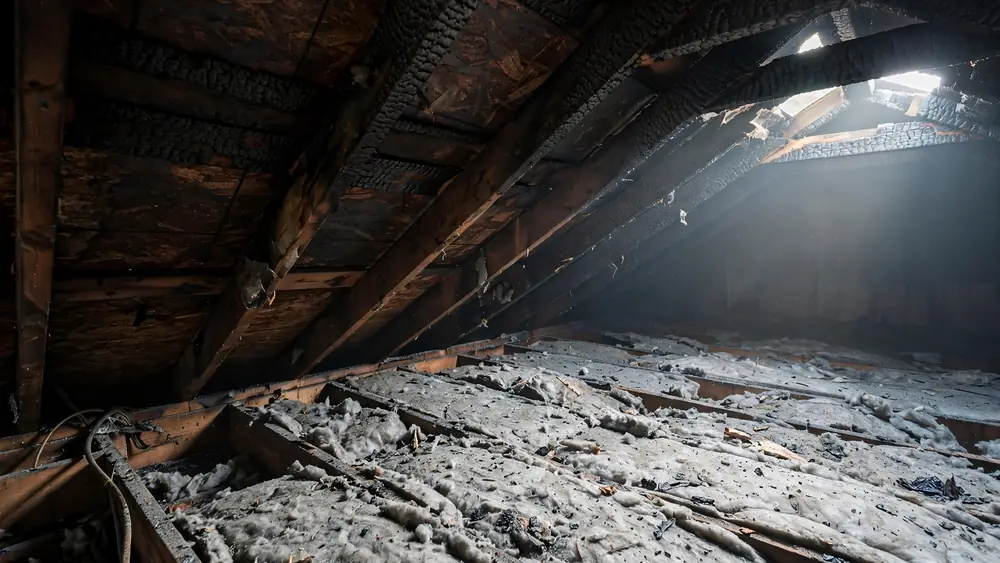
Salt Lake City averages 21 inches of precipitation a year, with July the driest month and March and April the wettest. Fire-damaged homes opened up by firefighting are exposed to that weather, so board-up and roof tarping matter quickly.
Hard freezes on about 36 nights a year can burst pipes in a house without heat, so ask about draining the plumbing if the home stays empty.
Fire services in Salt Lake City
Questions
Salt Lake City fire damage questions
What if a fire knocks out my heat in winter?
Drain or protect plumbing, as frozen pipes can follow.
Do you cover Sandy fire calls?
Yes, Sandy is in our coverage data.