Key facts: Is It Safe to Stay
- Leave immediately if you smell gas.
- Sewage and flood water are contaminated.
- People with health conditions should be more cautious.[1]
Leave now if you notice
- A gas smell or hissing
- Sparks, or water near the panel
- A sagging ceiling or leaning wall
- Sewage or flood water in living areas
- Visible mold across large areas
Is It Safe to Stay? at a glance
When staying is usually reasonable
If the source was a clean supply line, the water was stopped quickly, power is safe and you still have a working bathroom and kitchen, many families stay during drying. Equipment is loud and warm, and the rooms being dried should stay closed. Ask the contractor about pets, children and anyone with asthma.
Who should be more careful
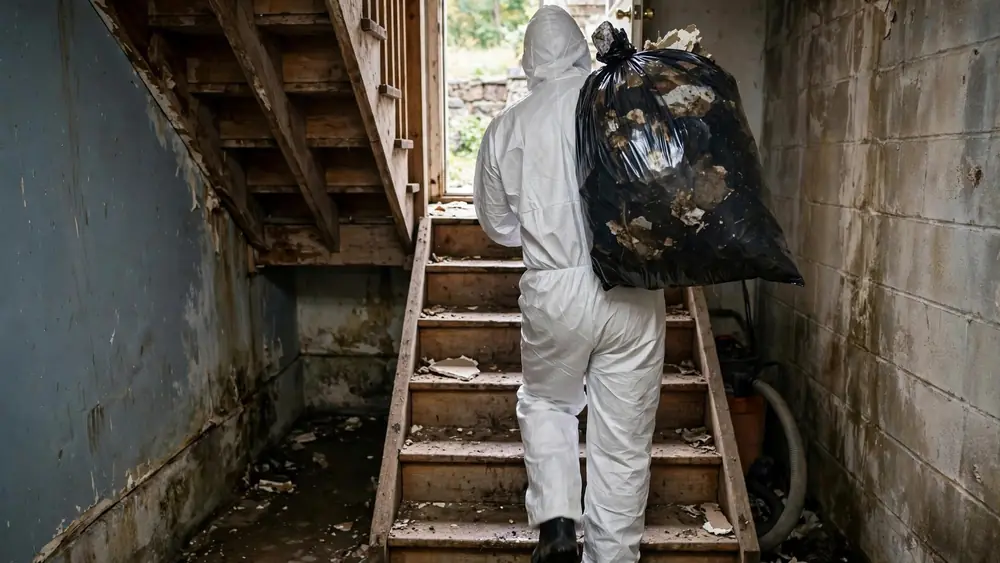
The EPA notes that mold can trigger allergic and asthma symptoms.[1] Infants, older adults, pregnant people and anyone with a weakened immune system should discuss the situation with a doctor if they've been exposed, and it may be wise for them to stay elsewhere during cleanup, especially if there's demolition or contaminated water.
If you have to move out
Check your policy for additional living expenses coverage, and keep every receipt. Take medicine, documents, chargers and a few days of clothes. Secure the property, and tell your insurer and contractor how to reach you.
FAQ
Staying home questions
How long will I be out?
It depends on the damage. Ask after the assessment.
Is the air safe during drying?
Clean-water drying is generally low-risk, but air movers can stir dust, so ask about containment.