Key facts: Safe After a Fire
- The fire department decides on reentry.
- Power and gas need checking.
- Soot can irritate the lungs.
Before anyone moves back
- Fire department clearance
- Structure checked where fire reached framing
- Electrician and gas company checks
- Soot cleaned, and heating system inspected
- Working smoke alarms
Safe After a Fire? at a glance
A small kitchen fire
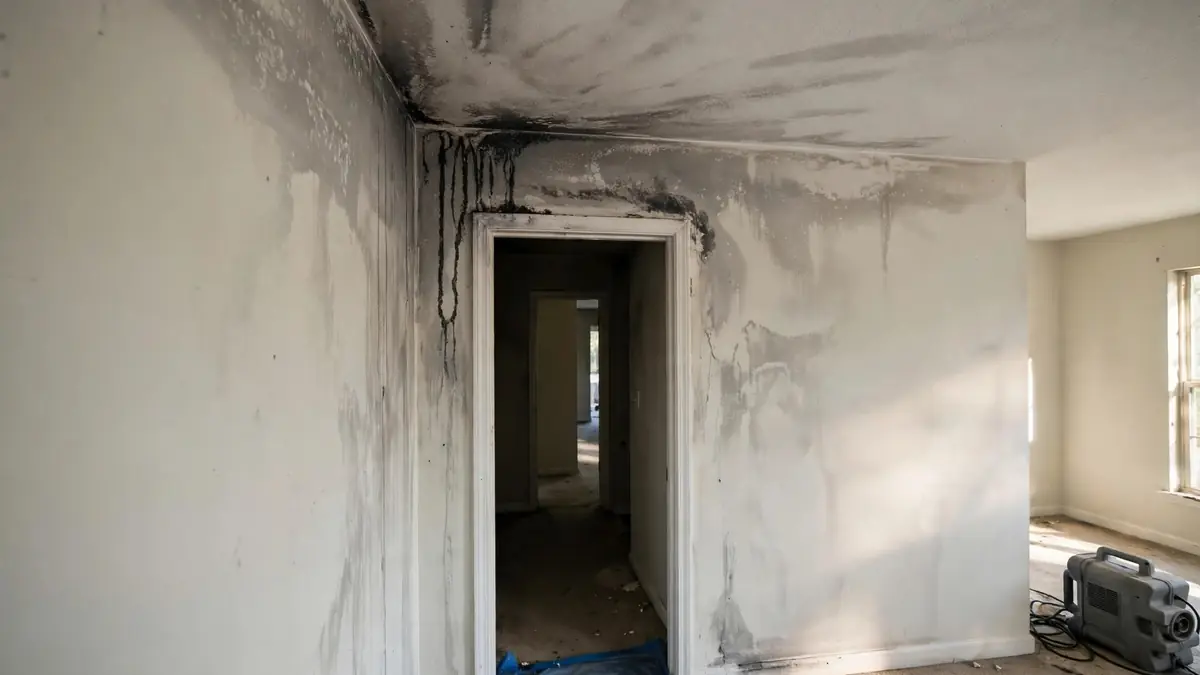
If flames stayed on a stove and were out quickly, you may stay after airing out, once the fire department agrees. Grease smoke travels, though, so clean cabinets and walls properly and check the range hood duct. Replace any food left exposed.
A larger fire
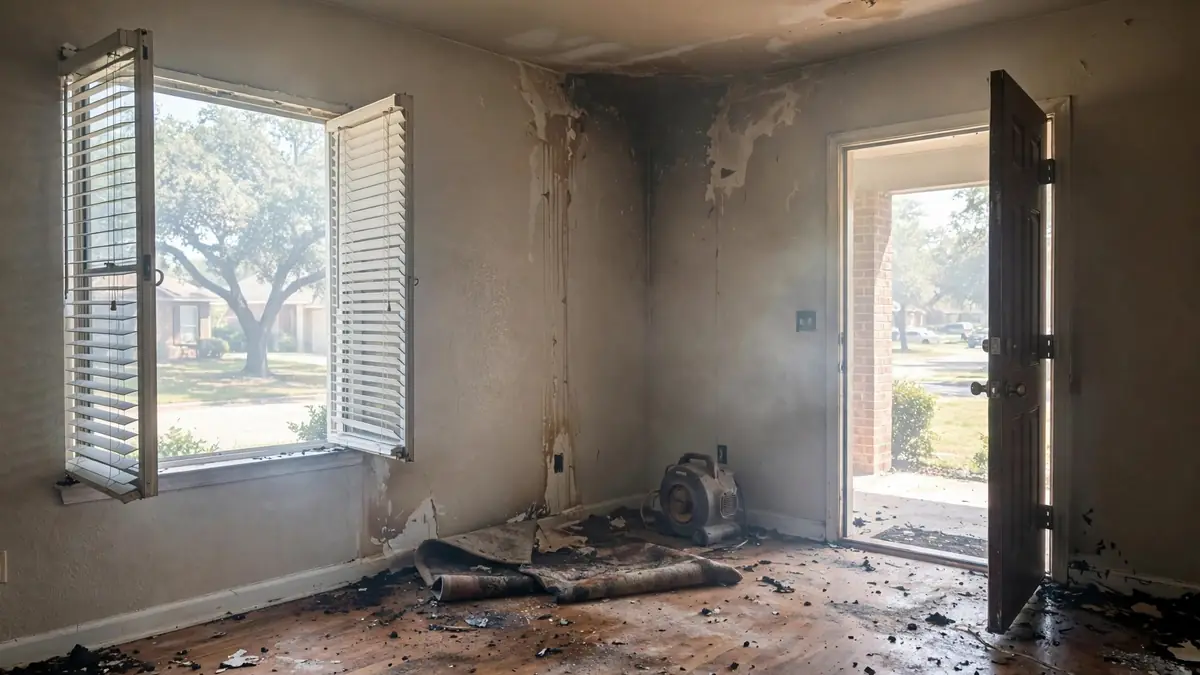
Once fire reaches walls or the attic, expect to be out for a while. Hidden charring, wet insulation and soot in ducts all take time. Ask your insurer about temporary living costs, and keep receipts. Older homes may need lead and asbestos testing before demolition.
Caring for your family
Take care with cleanup. Limit exposure to soot, wear a well-fitted respirator, keep children and pets away, and ask a doctor about coughs or headaches. It's normal to feel shaken, and it's fine to get support.
FAQ
After-fire questions
Can I keep food from the kitchen?
Discard anything exposed to heat, smoke or firefighting water.
Can I use my furnace?
Not until it's been inspected.